The 16 Best Japanese Restaurants in Tokyo (2026)
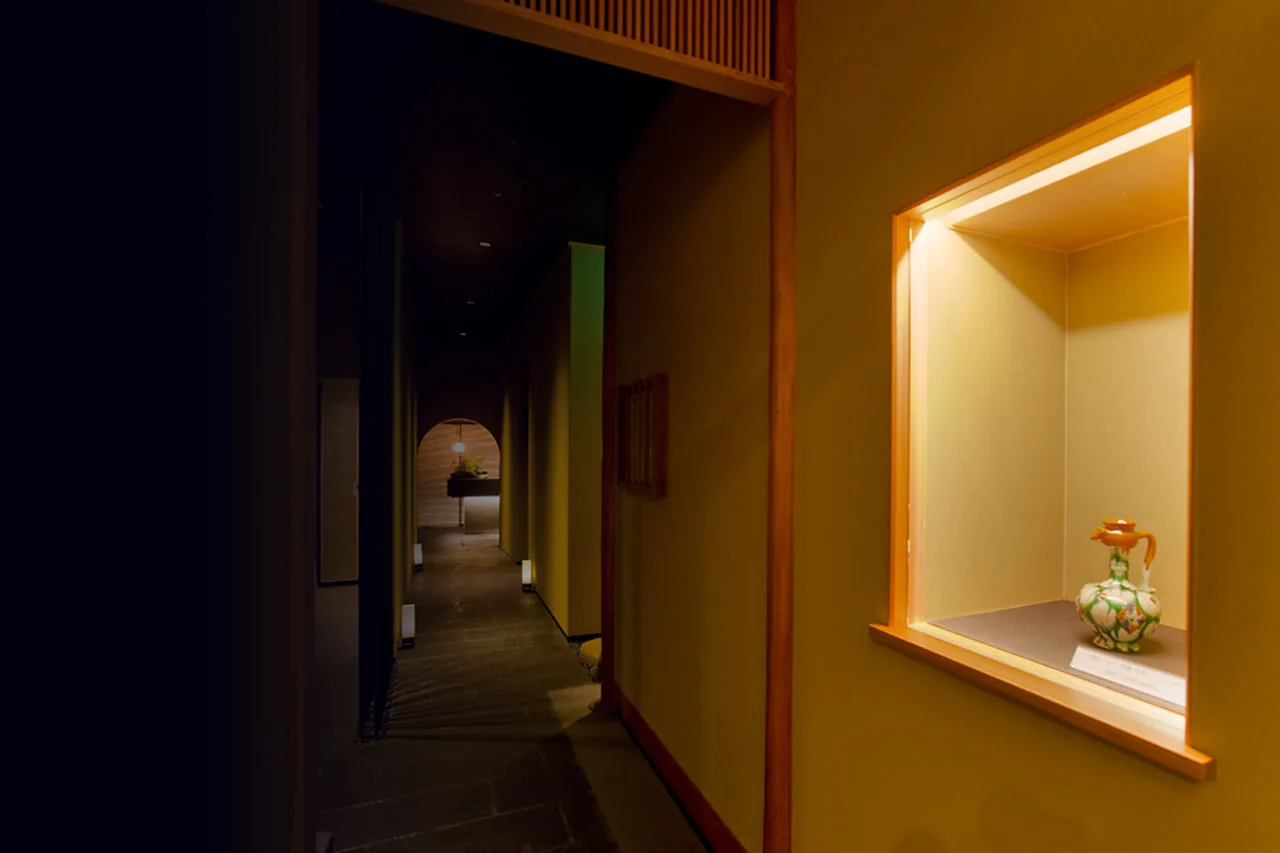
Sixteen Japanese restaurants in Tokyo, from RyuGin and Kagurazaka Ishikawa, both with three MICHELIN stars in the MICHELIN Guide Tokyo 2026, to Ginza tempura and hotel kaiseki rooms.
Why we wrote this guide
Japanese dining in Tokyo comes in many forms, and this guide covers the main ones: kaiseki counters in Kagurazaka, a ryotei with tatami rooms set with Rosanjin's own tableware, Edomae tempura fried piece by piece in Ginza, a late-night soba and skewer house in Nishi-Azabu, and the Japanese restaurants of the city's grand hotels, where one dining room often keeps separate counters for sushi, tempura and teppanyaki. Wagyu, from yakiniku to teppanyaki, has a guide of its own.
Four of these kitchens hold MICHELIN stars: RyuGin and Kagurazaka Ishikawa have three MICHELIN stars in the MICHELIN Guide Tokyo 2026, and Kohaku and Kioicho Fukudaya have two MICHELIN stars in the same 2026 guide. The smallest rooms book on their own schedules, with seats released in rounds or on a set day each month, while the hotel restaurants keep private rooms for families and business dinners. Outside Las Vegas the restaurant reservation sits with the venue, not with us.
Last updated November 2026.
The ranked guide
1. RyuGin (Tokyo Midtown Hibiya, Yurakucho)
RyuGin is chef Seiji Yamamoto's Japanese restaurant on the seventh floor of Tokyo Midtown Hibiya in Yurakucho, and it holds three MICHELIN stars in the MICHELIN Guide Tokyo 2026. The guide credits Yamamoto, born in Kagawa Prefecture, with honed knife and charcoal technique and a scientific eye for how each ingredient should be cooked. The dining room seats 40, all at tables, with two private rooms for up to eight guests each and a semi-private room for four.
Dinner is one seasonal omakase course: two appetizers, an owan bowl built on ichiban dashi, sashimi served RyuGin style, fish grilled over bincho charcoal, a simmered dish and a meat course that might be Sanuki olive beef from Yamamoto's home prefecture, wild duck or Ezo deer, then rice, fruit and usucha. The kitchen uses no chemical seasonings, and the order of dishes moves with each day's market. Service begins at 18:00, with last entry at 19:30, Monday to Saturday, and guests are asked not to wear perfume or cologne.
See RyuGin.
Best for: a landmark tasting dinner for two, or a private room for up to eight.
2. Kagurazaka Ishikawa (Kagurazaka)
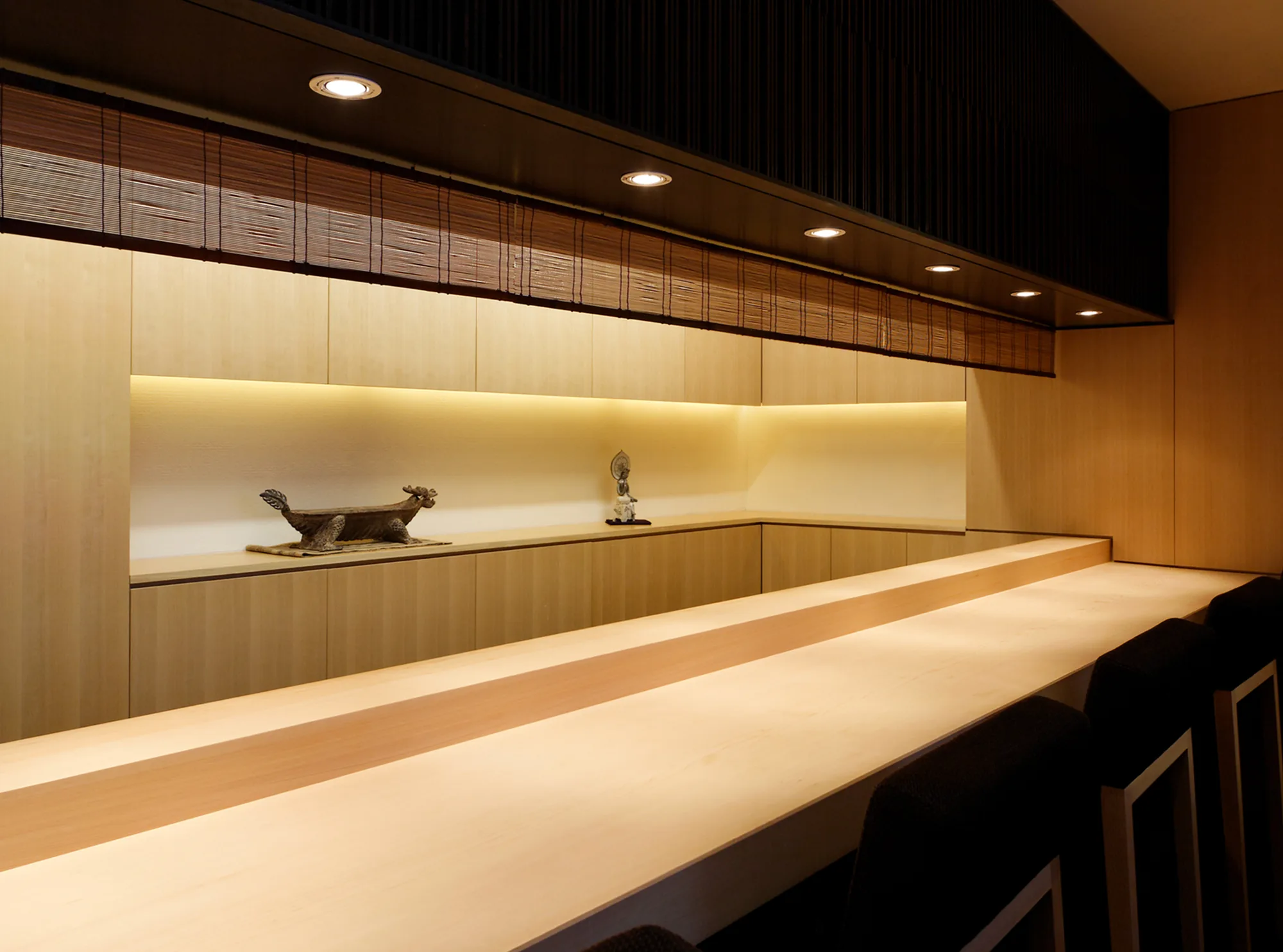
Kagurazaka Ishikawa is chef Hideki Ishikawa's kaiseki restaurant on the ground floor of the Takamura Building, a few minutes on foot from Ushigome-kagurazaka and Iidabashi stations. Ishikawa, born in Tsubame in Niigata, went independent in 2003 and opened the restaurant in its present form in 2008, and it holds three MICHELIN stars in the MICHELIN Guide Tokyo 2026. There are seven seats at the counter and four private rooms, three for up to four guests and one for up to six.
Dinner is a single seasonal tasting course, cooked without flourish or ornament. The kitchen frames its work around three ideas: dashi that carries the season, fire that lifts an ingredient's aroma in a single moment, and steam that loosens an ingredient until its flavor melts, with the same dishes refined further over time. Dinner runs Tuesday to Saturday from 5pm, with lunch on Saturday from noon, and guests must be of middle-school age or older.
See Kagurazaka Ishikawa.
Best for: a quiet kaiseki dinner at the counter, or a private room for a family of up to six.
3. Gonpachi Nishi-Azabu (Nishi-Azabu)
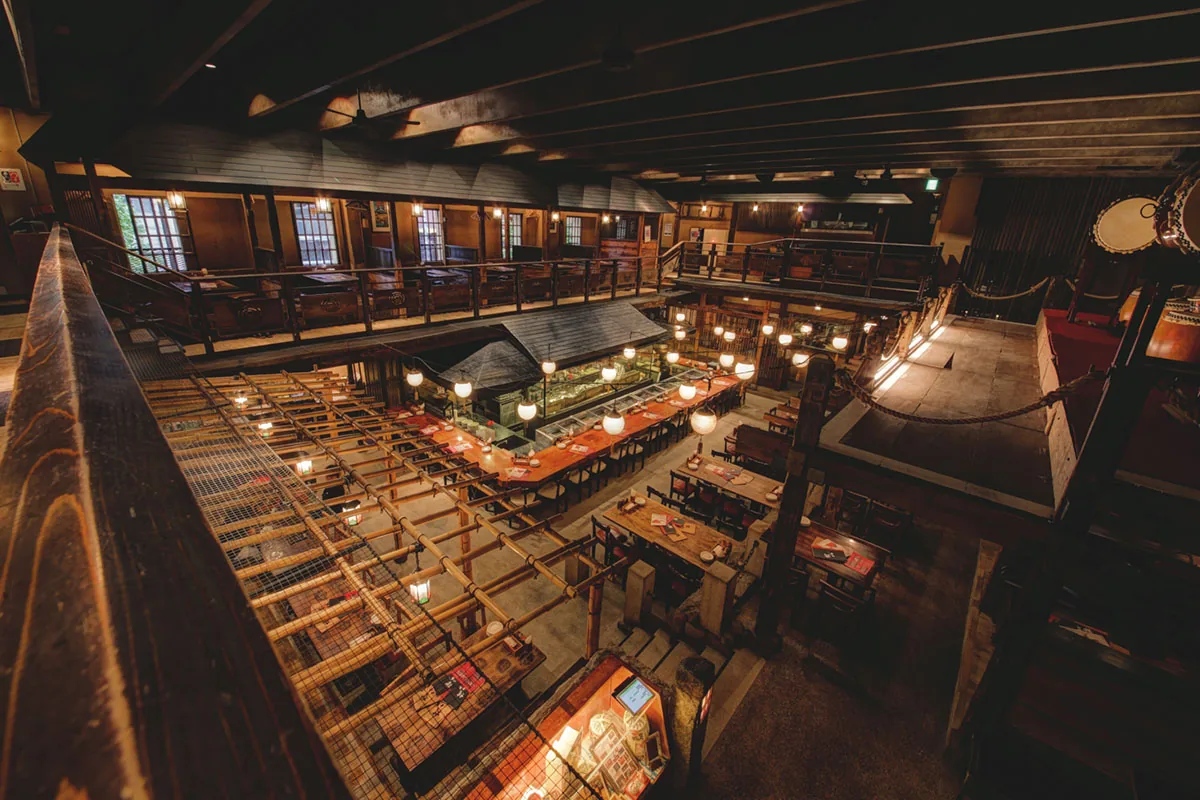
Gonpachi Nishi-Azabu fills the first and second floors of a building on the corner of the Nishi-Azabu crossing, about ten minutes on foot from Roppongi, Nogizaka and Hiroo stations. It opened in 2001 and became known worldwide as the setting of the izakaya summit between former US President Bush and former Prime Minister Koizumi, and as the model for a scene in Quentin Tarantino's Kill Bill. The interior is built on a dramatic scale to recall an earlier Japan, with counter seats, tables and private rooms for 260 guests.
Soba is a house specialty: domestic buckwheat is stone-ground every morning and the noodles are made by hand. Skewers come off the binchotan grill, from chicken thigh and the signature tsukune meatball to beef tongue with spring onion, and tempura arrives straight from the fryer. Gonpachi opens daily at 11:30 and stays open until 3:30 in the morning, with last food orders at 2:45, and party bookings and full buyouts go through the restaurant's party reservation form.
See Gonpachi Nishi-Azabu.
Best for: a big group dinner, or a late table after a night in Roppongi.
4. Kohaku (Kagurazaka)
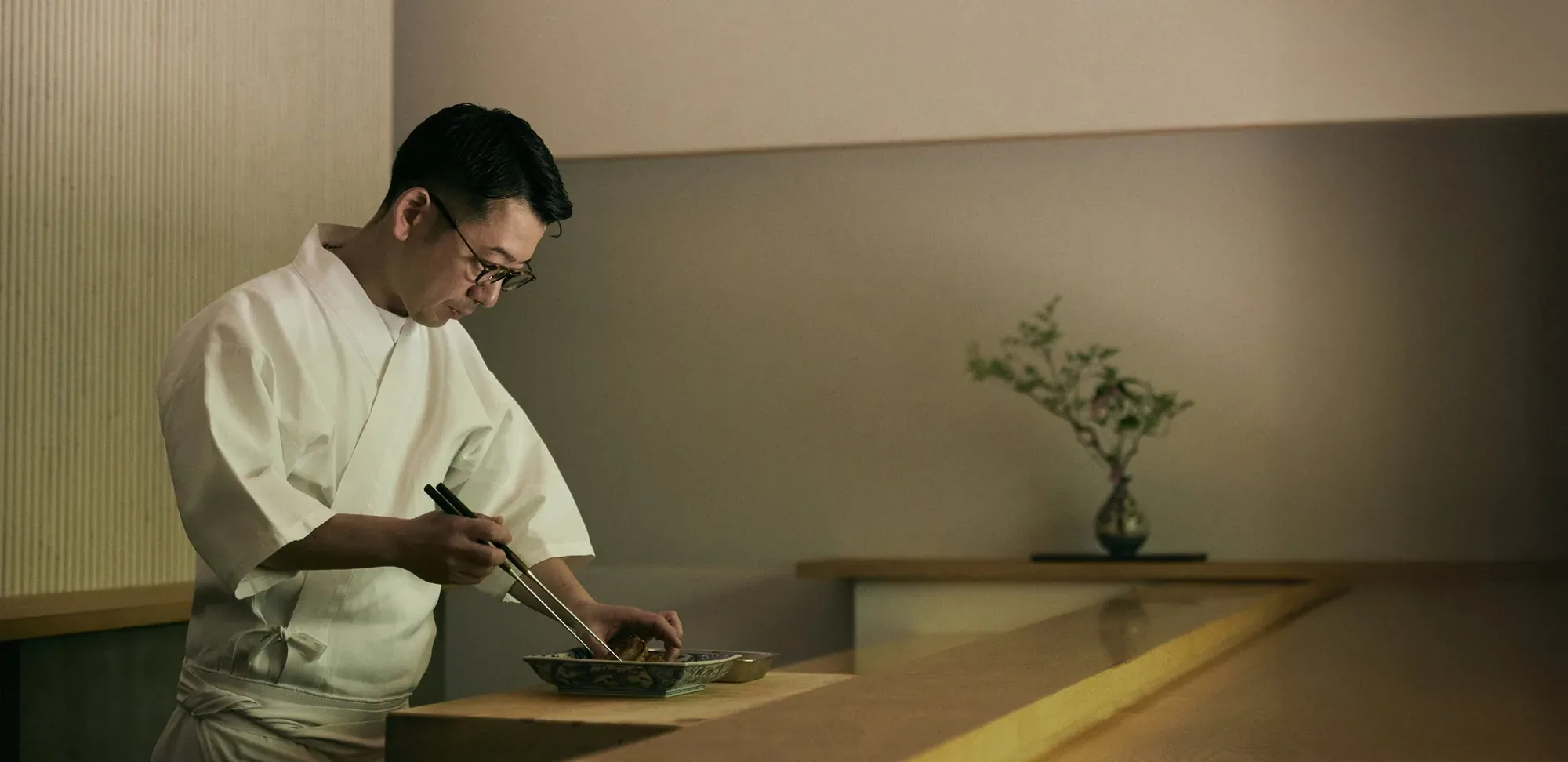
Kohaku is owner-chef Koyuji Koizumi's Japanese restaurant at 3-5-5 Kagurazaka, a short walk from Iidabashi Station, and it holds two MICHELIN stars in the MICHELIN Guide Tokyo 2026. Koizumi trained at Kagurazaka Ishikawa before opening Kohaku in 2008, and the house aim is to keep Japanese cuisine at the center while rebuilding tradition into new flavors. The room is small: an eight-seat counter and three private rooms, two for four guests and one for six.
The kitchen works past the usual borders of Japanese cooking, bringing in caviar, foie gras and truffle, and often layers several techniques into one dish, frying in two stages and then simmering or grilling. A delicate dashi holds it together, with care taken over the bonito, the kombu and the water itself. Dinner runs Tuesday to Saturday from 5pm, with lunch on Saturday from noon. Counter seats book well ahead, and the private rooms sometimes open up through cancellations.
See Kohaku.
Best for: a family celebration or business dinner in a private room.
5. Nobu Tokyo (Toranomon)
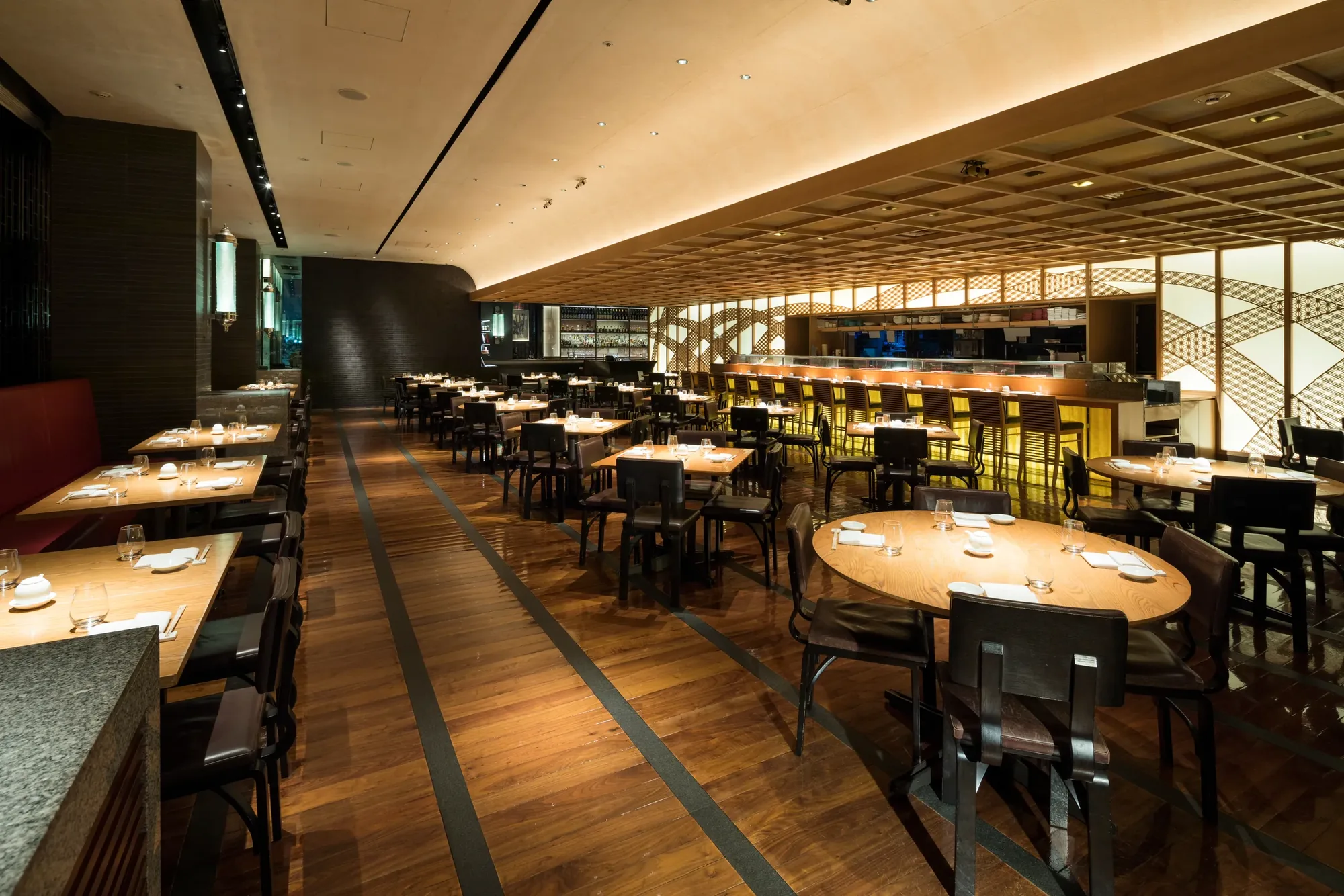
Nobu Tokyo is chef Nobu Matsuhisa's restaurant on the ground floor of Toranomon Tower Office, about six minutes on foot from exit 4B of Kamiyacho Station. The kitchen cooks the Nobu canon of Japanese technique and seafood with Peruvian touches such as anticucho skewers, tiradito and jalapeno. The main dining room seats more than 90, a private dining room handles smaller groups, and the Nobu Bar pours cocktails, sake and wine before dinner.
For a first visit the chef suggests sharing three or more of the menu's Eight Highlights family style, among them yellowtail sashimi with jalapeno, rock shrimp tempura in creamy spicy sauce and black cod marinated in Den miso. Dinner adds new style sashimi and caviar and uni nori tacos, and the Chef Omakase Tasting is ordered until 9pm. Lunch and dinner are served daily, and the dress code is smart casual, with covered shoes for gentlemen.
See Nobu Tokyo.
Best for: a shared dinner with a group of friends.
6. Kioicho Fukudaya (Kioicho)
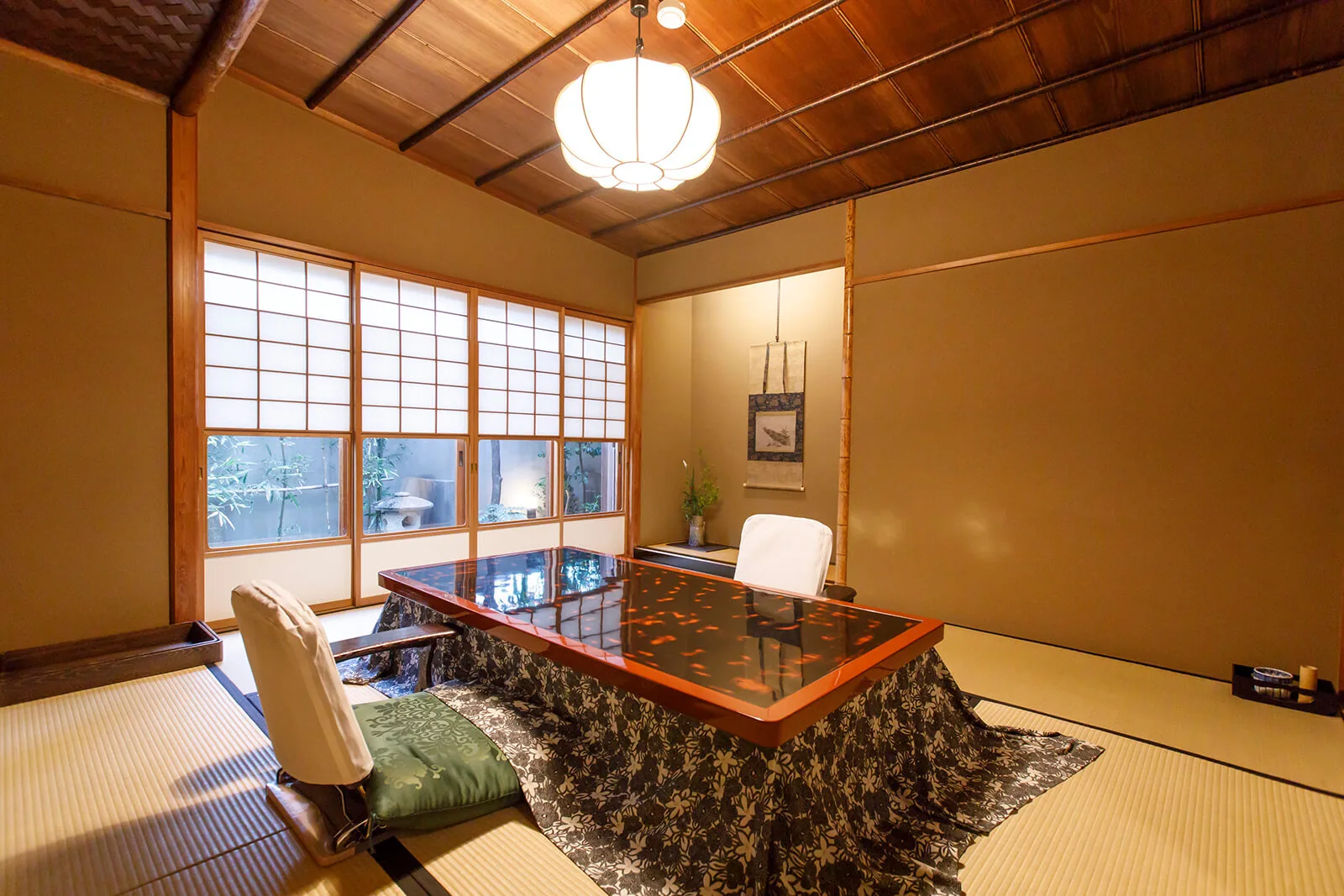
Kioicho Fukudaya is a ryotei serving kaiseki in private tatami rooms in Kioicho, Chiyoda, and it holds two MICHELIN stars in the MICHELIN Guide Tokyo 2026. It opened in Toranomon in 1939 as an inn and restaurant shaped by the potter and gastronome Kitaoji Rosanjin, its guests included Rosanjin himself, Yasunari Kawabata and Isamu Noguchi, and it moved to Kioicho after the 1945 air raids, reopening in 1946. There are four rooms, from Botan for four to Kotobuki, a 28-mat room that seats up to 16 at tables, and shoes come off at the entrance.
The cooking follows Rosanjin's view that tableware is the clothing of the food. Head chef Shunichi Matsushita builds each course on the house dashi, and the plate, the vessel and the decoration of the room all follow the calendar. Dinner guests arrive between 5:30pm and 7:30pm, Monday to Friday, lunch is served on Thursdays and Fridays, and Saturday dinner is for groups of ten or more.
See Kioicho Fukudaya.
Best for: family introductions, anniversaries and formal entertaining.
7. Hinokizaka (The Ritz-Carlton, Tokyo)
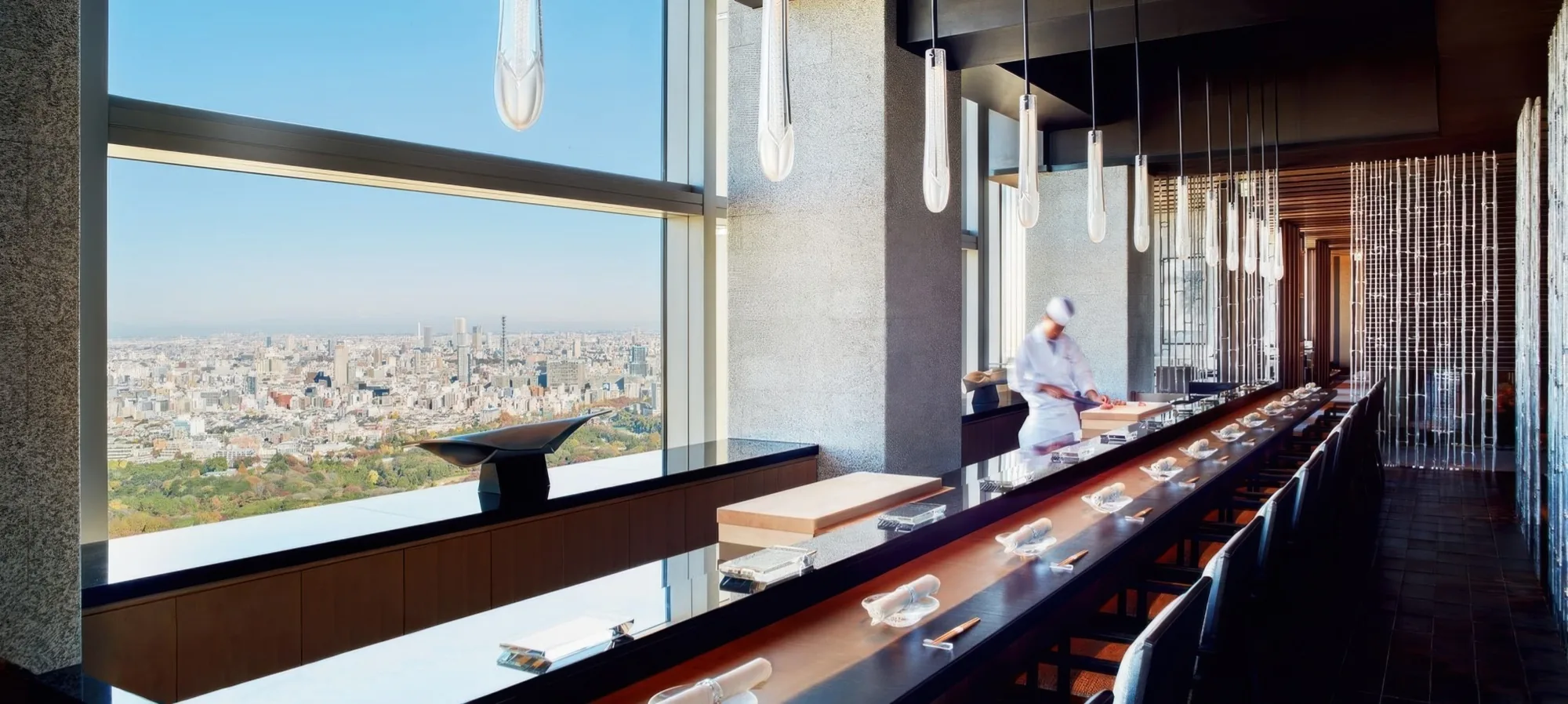
Hinokizaka is the Japanese restaurant of The Ritz-Carlton, Tokyo, on the hotel's 45th floor in Midtown Tower at Tokyo Midtown, Akasaka. One restaurant holds four areas, for kaiseki, sushi, tempura and teppanyaki, with traditional Japanese furniture as the motif and metal latticework and screens for a modern edge. An eight-seat semi-private room has two walls of windows over the skyline, where Mount Fuji often shows on clear days.
Chef de cuisine Hisao Ishida has overseen the whole restaurant since 2018, Tadaaki Nomura has served traditional Edomae sushi here since 2007, and Yuki Oe leads teppanyaki. The Hinoki course moves through every section, from sashimi and teppanyaki Kobe beef to tempura and nigiri, while the kaiseki side brings Soshu wagyu and sea urchin sukiyaki and cod marinated in Saikyo miso. Lunch and dinner are served daily, and the dress code is smart casual.
See Hinokizaka.
Best for: a table that wants sushi, tempura and teppanyaki in one meal.
8. Ten-ichi Honten (Ginza)
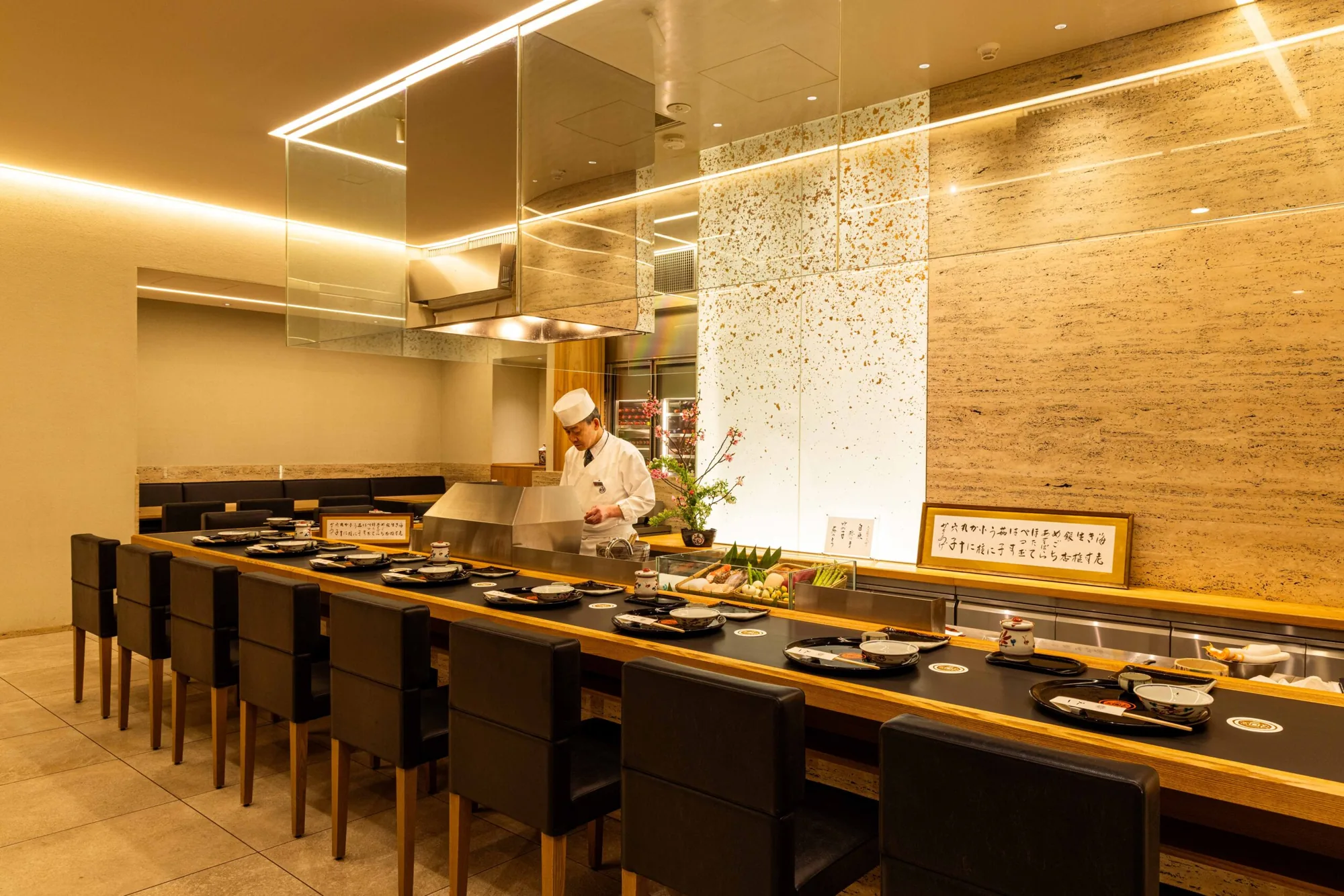
Ten-ichi Honten is the Ginza flagship of the Edomae tempura house founded in 1930, on Namiki-dori in Ginza 6-chome, five minutes on foot from Exit B6 of Ginza Station. The chefs judge the oil temperature and frying time for each ingredient and serve every piece the moment it is ready. Its two basement floors hold 41 seats, with a B1 counter that recreates the one from the original restaurant and a newer B2 counter facing an open kitchen.
Dinner comes as three courses, Ume, Momo and Sakura, built on 11 to 14 pieces of tempura with saimaki prawns and seasonal fish and vegetables, each closing with a choice of tendon or tencha. The house pours its own Tenichi Daiginjo sake, and its wine selection includes bottles from Domaine de la Romanee-Conti. It is open every day except January 1, from 11:30 am with last orders at 8:30 pm; courses run about two hours, and guests are asked to avoid strong perfume.
See Ten-ichi Honten.
Best for: a classic tempura lunch or dinner at the counter in Ginza.
9. Kozue (Park Hyatt Tokyo)
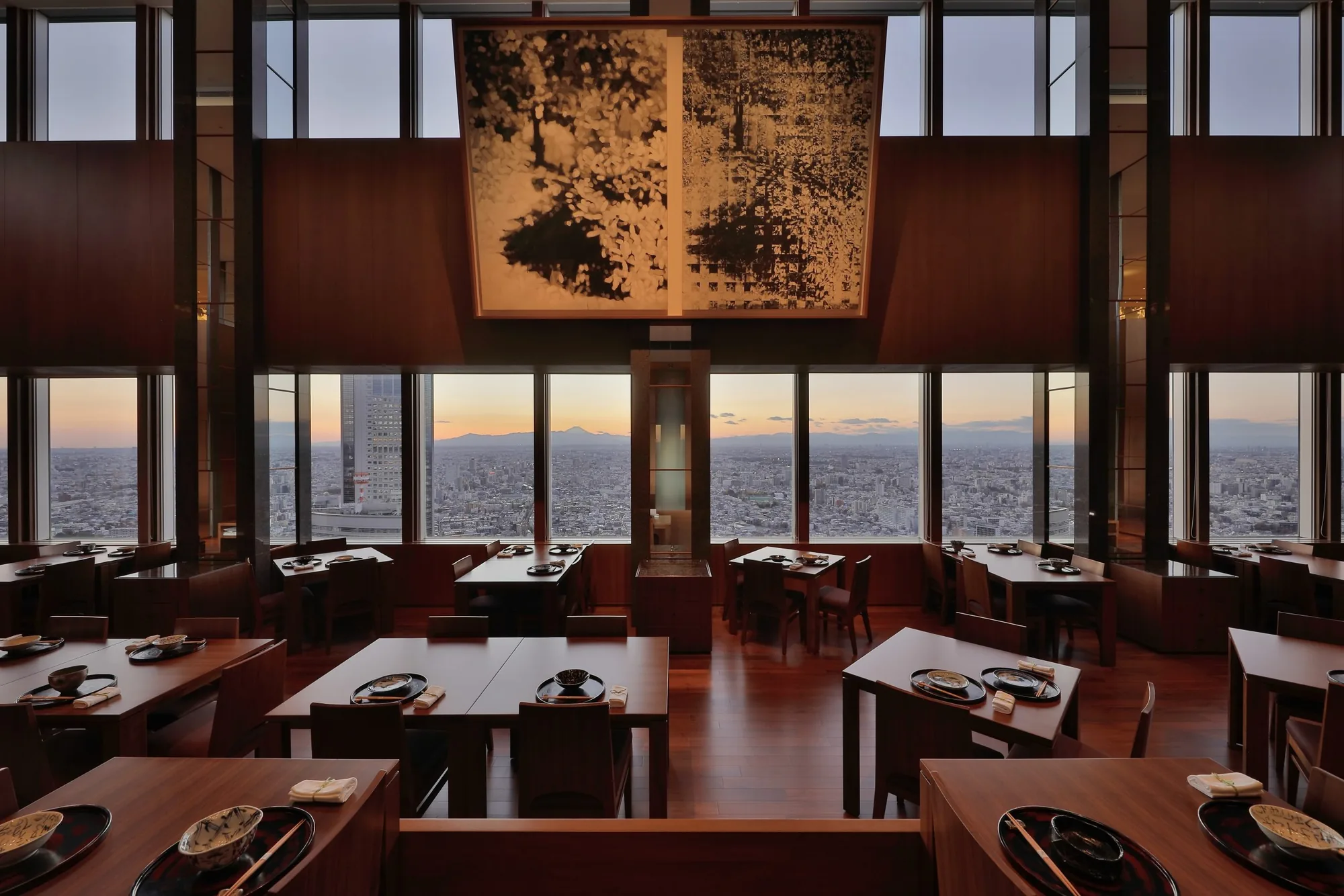
Kozue is the Japanese restaurant on the 40th floor of Park Hyatt Tokyo, in Shinjuku Park Tower in Nishi-Shinjuku, cooking modern Japanese food inspired by traditional kaiseki. Two bamboo sculptures by John Morford flank the dining room, and on a clear winter day Mount Fuji is visible from every table. Chef de Cuisine Nobuhiro Yoshida has led the kitchen since 2020, buying from producers he has worked with for decades.
Dinner is a choice of seasonal kaiseki courses, Shiki, Raku, Zui and Shun, each with sashimi, a grilled or hot pot course and a closing rice course, paired with sake from breweries across Japan or wine from the sommeliers. Lunch brings handmade soba, an eel set, tendon in a Yamanaka lacquer bowl and the Kozue Bento. Kozue closes on Wednesdays except national holidays, three private dining rooms take up to 18 guests, and shorts are not permitted at dinner.
See Kozue.
Best for: a winter kaiseki lunch with a chance of Mount Fuji.
10. Wadakura (Palace Hotel Tokyo)
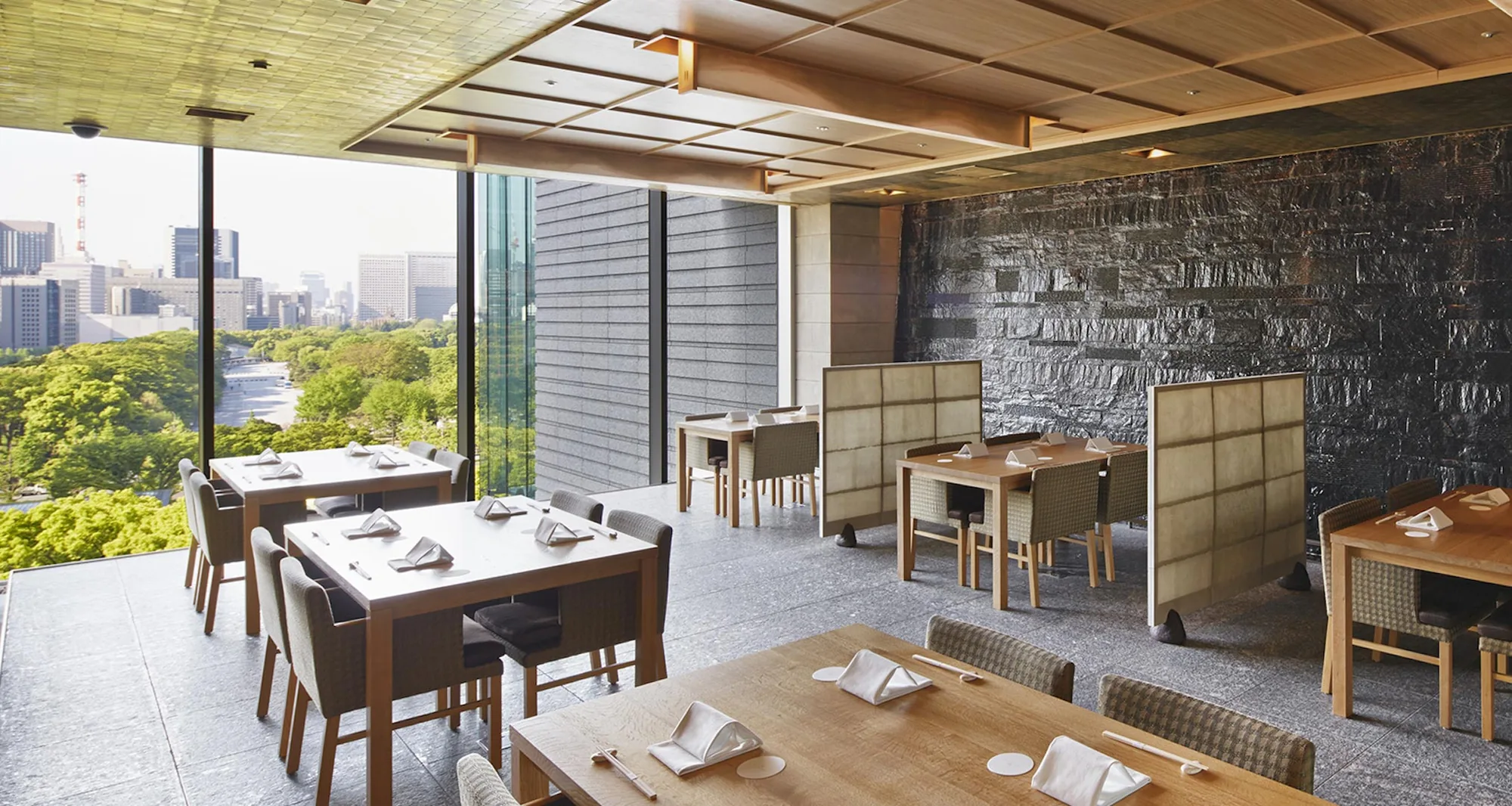
Wadakura is the Japanese restaurant on the 6th floor of Palace Hotel Tokyo in Marunouchi, named for the Wadakura moat outside its windows. It spans four areas: kaiseki in the main dining room, tempura at Tatsumi, teppanyaki at GO and sushi at Sushi Kanesaka. Master plasterer Naoki Kusumi made the textured walls, and nine fully enclosed private rooms, in Japanese and Western styles, seat from two to twelve.
The Seasonal Wadakura Kaiseki changes with the calendar, with dishes such as black cod from Mutsu grilled in the Wakasa style and a simmered course of Matsusaka beef sukiyaki, and Special Kaiseki Kei sets out the season's delicacies in a more elaborate form. Lunch and dinner are served daily. Private rooms for more than eleven guests must be reserved by 5 pm the day before, and gentlemen are asked to wear collared shirts.
See Wadakura.
Best for: a business lunch or dinner in Marunouchi, in a private room.
11. Kazahana (Conrad Tokyo)
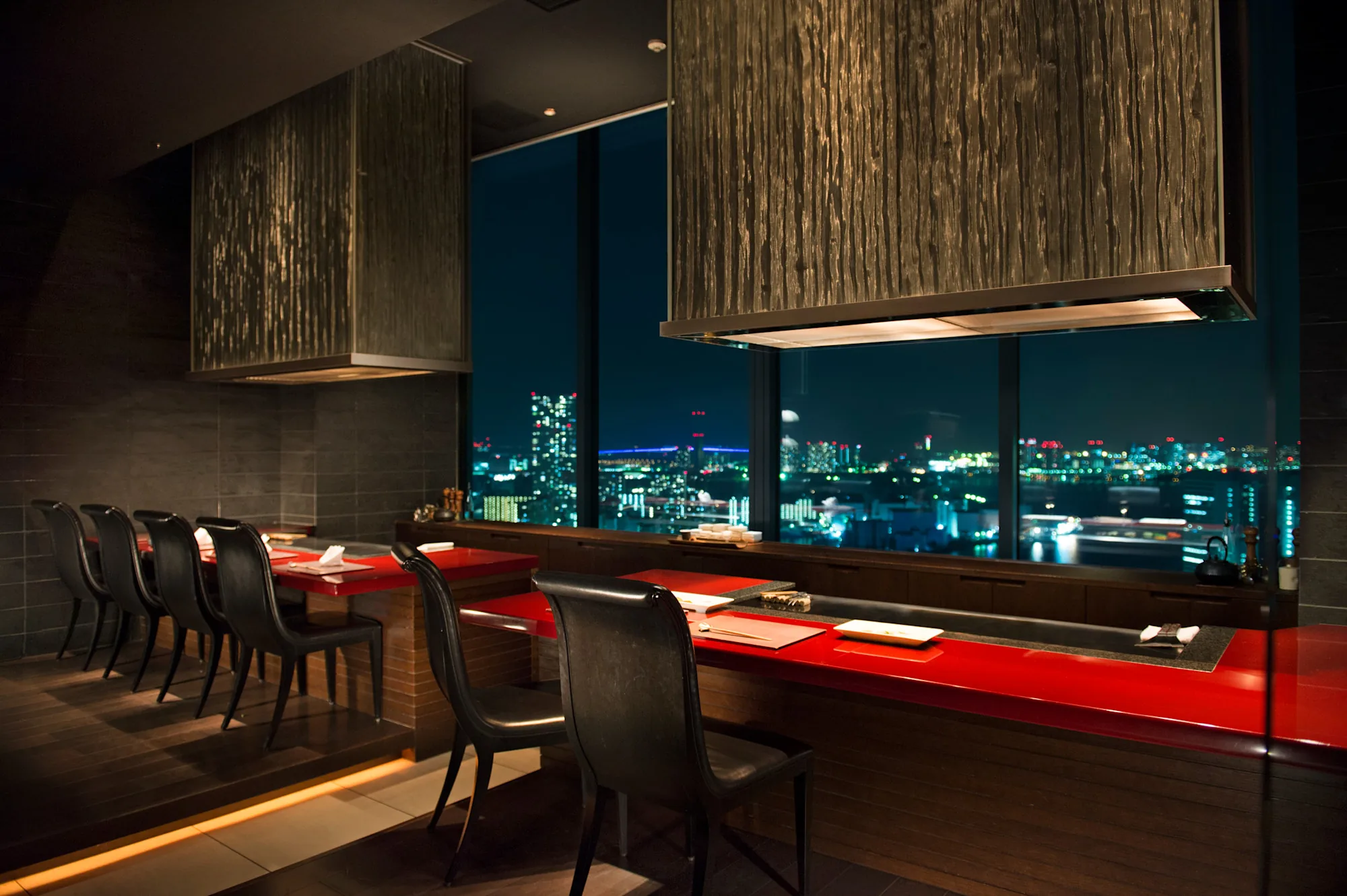
Kazahana is the Japanese restaurant on the 28th floor of Conrad Tokyo in Shiodome, serving kaiseki, an Edomae sushi counter and a teppanyaki counter under one name, with Tokyo Bay and Hama-Rikyu Gardens laid out below. It seats 81, and three private rooms for four to ten include a sunken horigotatsu room with a panoramic view over Hama-Rikyu.
Kaiseki courses such as Kisho and Waraku change their dishes through the year, with charcoal-grilled wagyu among the mains. The sushi counter pairs seasonal fish with akashari, the red-vinegar rice of the Edomae tradition, and the teppanyaki counter cooks domestic A5-grade Kuroge wagyu, with Ise lobster, abalone and wagyu steak in Hibiki, its most requested course. Lunch and dinner are served daily, and the two counters seat guests aged 10 and over, so families with younger children book the kaiseki tables or a private room.
See Kazahana.
Best for: a family dinner above Hama-Rikyu Gardens.
12. Shunbou (Grand Hyatt Tokyo)
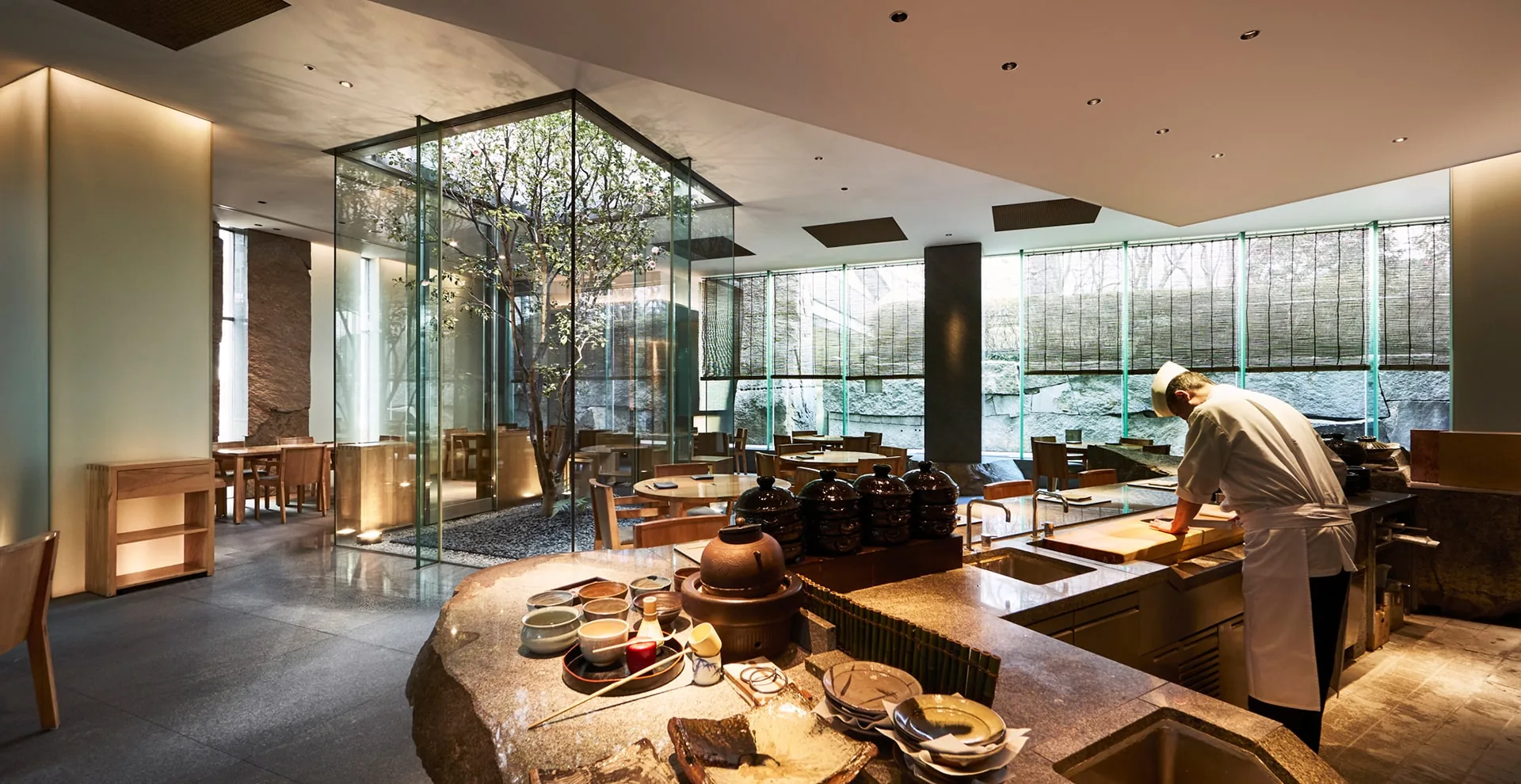
Shunbou is the Japanese restaurant on the sixth floor of Grand Hyatt Tokyo in Roppongi Hills, cooking kaiseki and kappo to the four seasons. Takuya Nezasa, the hotel's Executive Sous Chef for Japanese cuisine, has cooked here since 2005. The 101-seat room centers on a counter of Aji-ishi granite from Kagawa Prefecture, and five private rooms, most with sunken kotatsu seating, come in kappo and ryotei styles.
The kitchen serves Shunbou-mai, a rice grown in Yamagata Prefecture for the restaurant, and a sukiyaki of A5 Hida beef cooked in a horaku ceramic pot. Dinner centers on a traditional multi-course kaiseki, and lunch includes Shunsai, a three-tiered box of sashimi and charcoal-grilled, simmered and fried dishes, served on handmade ceramics chosen by the chef. Lunch and dinner are served daily, and parties of more than nine book with the restaurant directly.
See Shunbou.
Best for: family meetings and business dinners in a private room.
13. Yamazato (The Okura Tokyo)
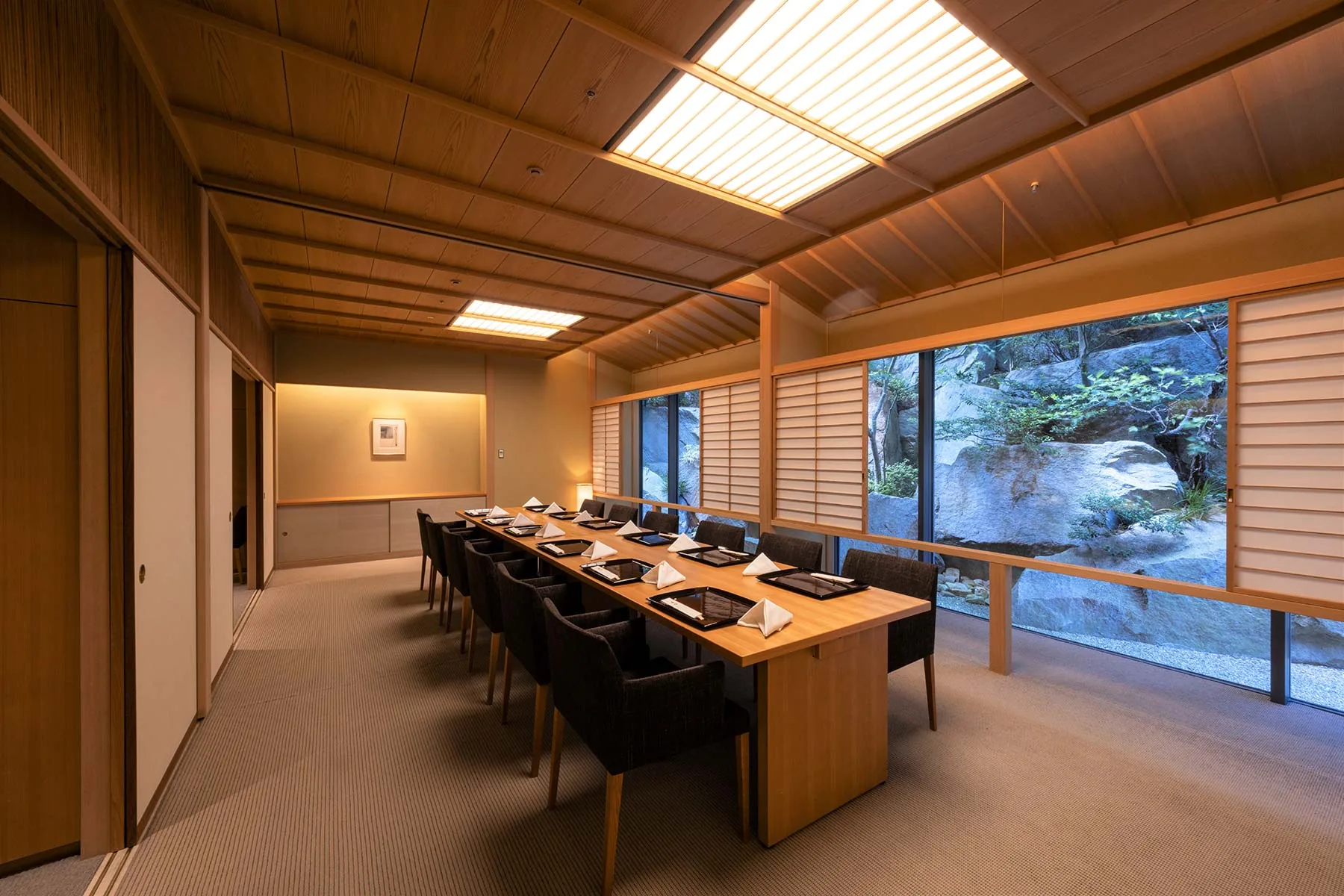
Yamazato is the Japanese fine dining restaurant of The Okura Tokyo, on the fourth floor of the Heritage Wing in Toranomon. The hotel opened as Hotel Okura in 1962 and was rebuilt in 2019, and Yamazato gathers seasonal courses, kappo, Edomae sushi and tempura under one roof, with a ten-seat kappo counter, a 12-seat sushi counter and a 12-seat tempura counter beside the 40-seat hall. The tea ceremony room was built by master carpenter Sotoji Nakamura after Kyoto's Urasenke school.
The Yamazato Authentic Course brings the house together: abalone steak with butter soy sauce or wagyu sukiyaki style, assorted tempura and five pieces of chef's choice nigiri. The a la carte list keeps unagi kabayaki, suppon soup and agedashi tofu, and at the kappo counter the chef cooks omakase from the day's ingredients, for guests aged 10 or older who reserve ahead. Breakfast begins at 7:00, lunch runs 11:30 to 14:30 and dinner 17:30 to 21:30, and on Wednesdays that are not national holidays Yamazato serves breakfast only.
See Yamazato.
Best for: a Japanese breakfast, or a kappo dinner at the counter.
14. Kinsui (Hotel Chinzanso Tokyo)
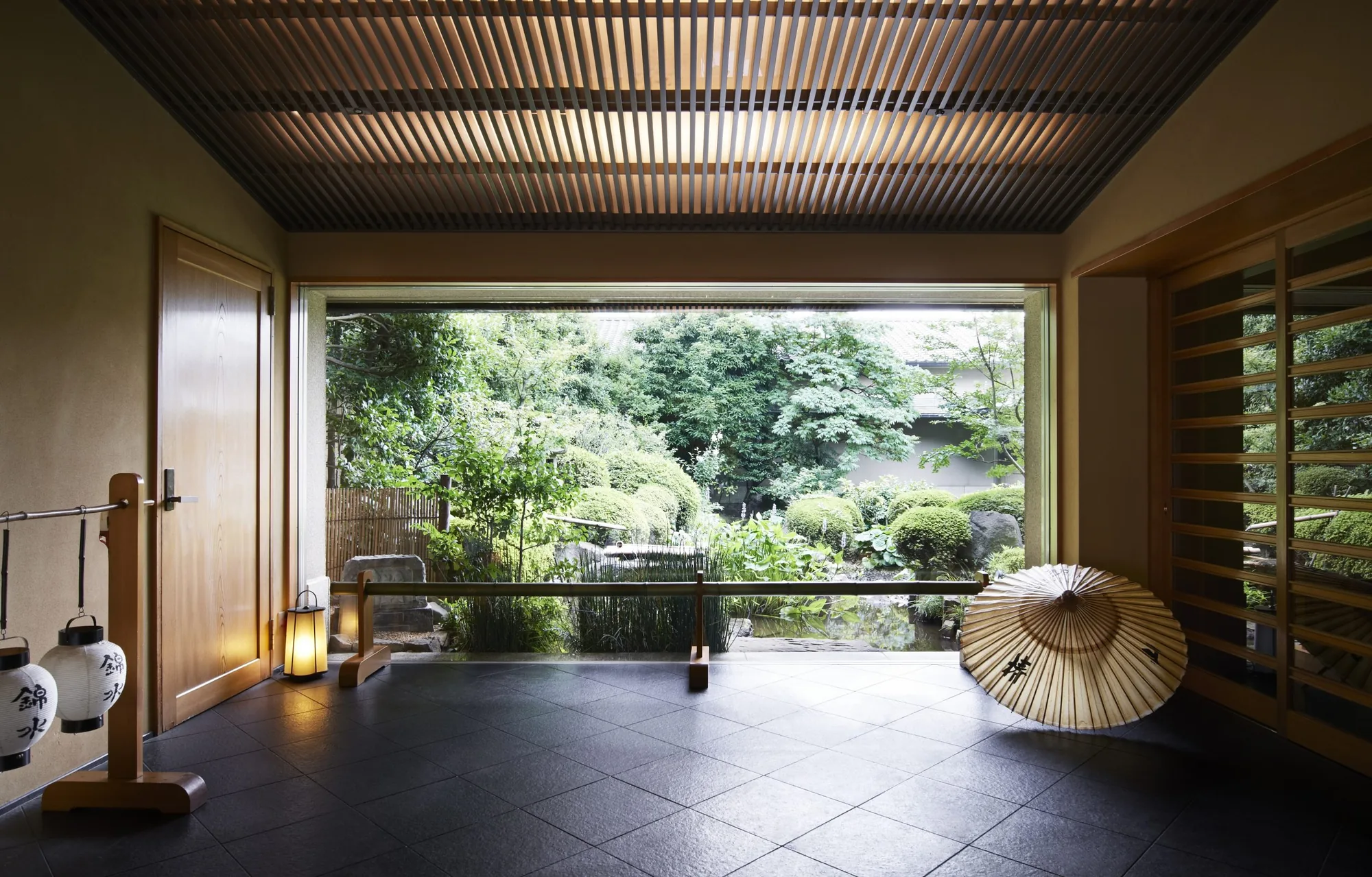
Ryotei Kinsui is the kaiseki restaurant in the garden of Hotel Chinzanso Tokyo in Sekiguchi, Bunkyo, in a Sukiya-style building on the banks of Unkinchi Pond. It opened in 1987, and every meal is served in a private room: ten traditional rooms seat from two to 60 guests, and two annex houses take two to eight. Guests sit on chairs or at sunken kotatsu tables looking onto the garden, where waterfalls and birdsong carry into the rooms and fireflies appear over the spring water in their season.
The kitchen cooks kaiseki that changes with the seasons, at lunch and at dinner. The hallway to the rooms is lined with a shelf of sake from 46 prefectures of Japan, built with four kinds of kumiko woodwork to recreate the ripples on the pond. Kinsui is open daily from 11:30 to 22:00 by reservation only, the restaurant assigns the rooms, and guests are asked not to wear yukata, shorts or sandals.
See Kinsui.
Best for: family milestones and business entertaining in a garden setting.
15. Suiren (The Capitol Hotel Tokyu)
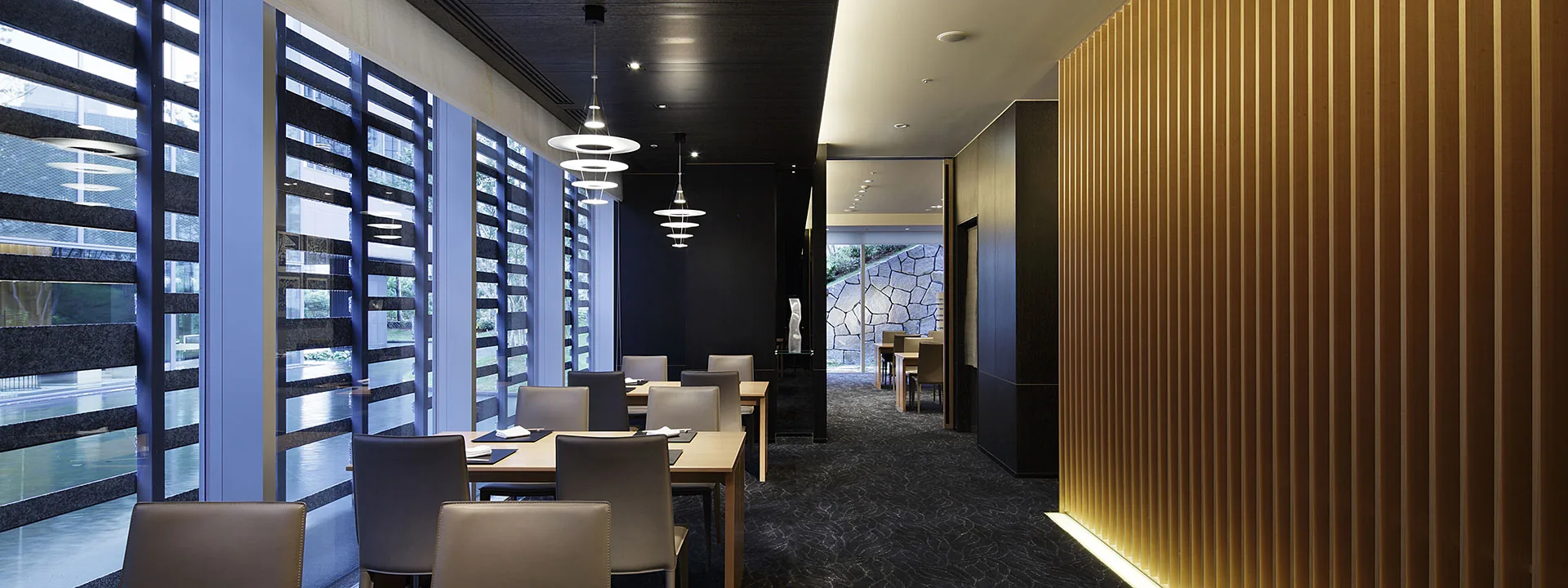
Suiren is the Japanese restaurant on the third floor of The Capitol Hotel Tokyu in Nagatacho, a hotel connected directly to Tameike-Sanno Station and standing beside Hie Shrine. Guests reach it from the lobby along a covered corridor, into what the hotel describes as a secluded annex wrapped in the green of the garden. Four kitchens share the 83-seat restaurant, for kaiseki, sushi, tempura and teppanyaki.
Kaiseki runs from the Keyaki course to Tachibana, the head chef's seasonal selection, and a sushi kaiseki pairs Edomae nigiri with kaiseki dishes. Kuroge wagyu comes as shabu-shabu or as sukiyaki, cooked slice by slice by the staff in a private room, and the tempura counter opens on set days posted by the hotel. Lunch and dinner are served daily, and online booking opens up to six months ahead.
See Suiren.
Best for: a private-room sukiyaki dinner in Nagatacho.
16. Sumi (Janu Tokyo)
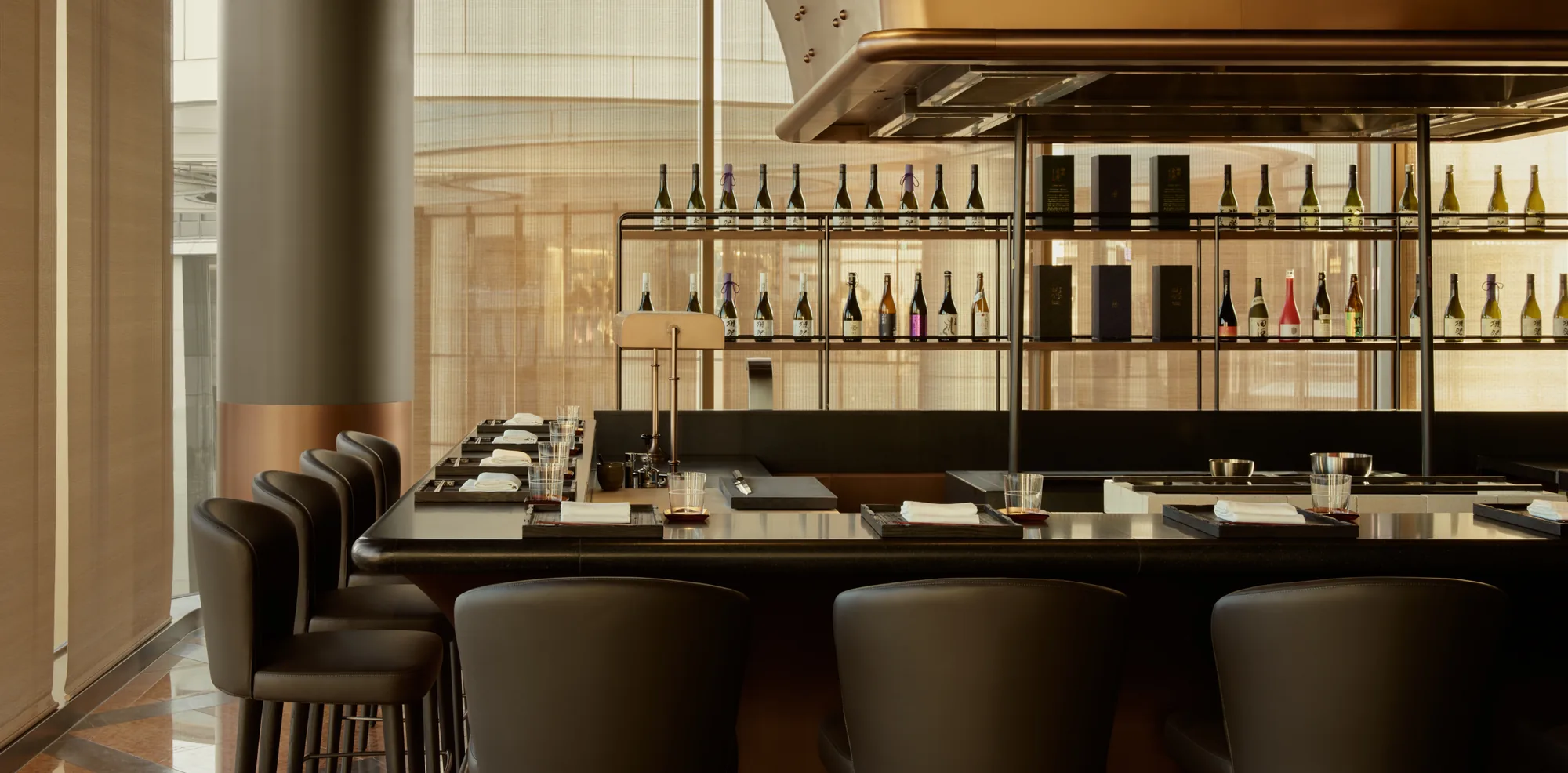
Sumi is the charcoal-grill counter of Janu Tokyo, on the third floor of the hotel's annex at Azabudai Hills. The name comes from sumibiyaki, cooking over a charcoal fire, and chef de cuisine Hisaki Otsuka uses Japanese binchotan as both heat and seasoning. Thirteen seats line a copper counter facing the grill, with a small number of tables beside it, and the windows look out to Tokyo Tower and the Azabudai skyline.
The counter serves the Tomoshibi omakase, with handmade soba in a fragrant broth midway through the meal, Kuroge wagyu and seasonal fish over the binchotan, and a pot-cooked rice that changes each month and is finished over the charcoal. The tables serve Tsudoi, a sharing omakase built around a tiered box of seasonal appetizers, charcoal-grilled Kuroge wagyu, pot-cooked rice and desserts. Dinner is served nightly, counter guests are seated at 6pm or 8:30pm, and pairings run to wine, premium sake and a non-alcoholic flight.
See Sumi.
Best for: a counter dinner for two with a view of Tokyo Tower.
How to book
Each restaurant's page has its booking link. A few of these rooms keep their own calendars: RyuGin releases seats on the 1st of each month at 12:00 Japan time, for dates through the end of the month after next, and Kagurazaka Ishikawa releases seats on OMAKASE in rounds, with each guest allowed one booking every two months. Nobu Tokyo takes online bookings one calendar month ahead for parties of up to six, and Suiren opens online booking up to six months ahead. At Kioicho Fukudaya, courses built around wagyu, crab, fugu or matsutake are requested at the time of booking, and Kinsui closes online bookings seven days before the date.
FAQ
Which restaurants here hold stars in the MICHELIN Guide Tokyo 2026?
RyuGin and Kagurazaka Ishikawa hold three MICHELIN stars in the MICHELIN Guide Tokyo 2026, and Kohaku and Kioicho Fukudaya hold two MICHELIN stars in the MICHELIN Guide Tokyo 2026.
Which restaurant serves latest?
Gonpachi Nishi-Azabu opens daily at 11:30 and stays open until 3:30 in the morning, with last food orders at 2:45.
Which rooms suit a family or a large group?
Kinsui serves every meal in a private room, with traditional rooms for two to 60 guests, and Kotobuki at Kioicho Fukudaya seats up to 16 at tables. At Kazahana the sushi and teppan counters take guests aged 10 and over, so families with younger children book the kaiseki tables or a private room.
Do these restaurants have a dress code?
Several do. Nobu Tokyo and Hinokizaka ask for smart casual, Wadakura asks gentlemen to wear collared shirts, Kozue does not permit shorts at dinner, and Kinsui asks guests not to wear yukata, shorts or sandals. RyuGin and Ten-ichi Honten also ask guests to avoid perfume.
Build a custom itinerary with our concierge team. Pair the venues mentioned above into a single concierge-confirmed evening. See the full Las Vegas events calendar for every upcoming DJ and pool party across the city.
More from Tokyo
- The 17 Best Nightclubs in Tokyo (2026) · Seventeen Tokyo nightclubs for a VIP table in 2026, from Zouk Tokyo in Ginza and WARP Shinjuku in Kabukicho to WOMB in Shibuya and the Roppongi clubs.
- The 16 Best Restaurants in Tokyo (2026) · Sixteen Tokyo restaurants for 2026, from French, kaiseki and Chinese dining rooms holding three stars in the MICHELIN Guide Tokyo 2026 to a two-floor Japanese restaurant in Nishi-Azabu open until 3:30 in the morning.
- The 16 Best Restaurants with a View in Tokyo (2026) · Sixteen Tokyo dining rooms with a view, from the 24th floor of The Peninsula Tokyo to the 52nd floor of Park Hyatt Tokyo and Floor 345 of the Tokyo Skytree Tembo Deck.
- The 16 Best Rooftop and Sky Bars in Tokyo (2026) · Sixteen Tokyo rooftop and sky bars for 2026, from open-air terraces in Shibuya, Daikanyama and Azabu-Juban to high-floor hotel bars looking over Tokyo Tower and the bay.
- The 12 Best Steakhouses in Tokyo (2026) · Twelve steakhouses in Tokyo for 2026, from the New York names in Roppongi, Marunouchi, Ebisu and Ginza to the wagyu grills high in the city's hotel towers.
- The 13 Best Wagyu Restaurants in Tokyo (2026) · Thirteen wagyu restaurants in Tokyo, from Yoroniku's yakiniku in Minami-Aoyama to Kobe beef roasted in a kiln in Akasaka and teppanyaki counters high above the city.
Plan a night in another city
Browse all MyRSVP editorials · Back to home